Sunday Classic17.07.2026


Sunday Classic17.07.2026

Originally released: 5th July 1993.
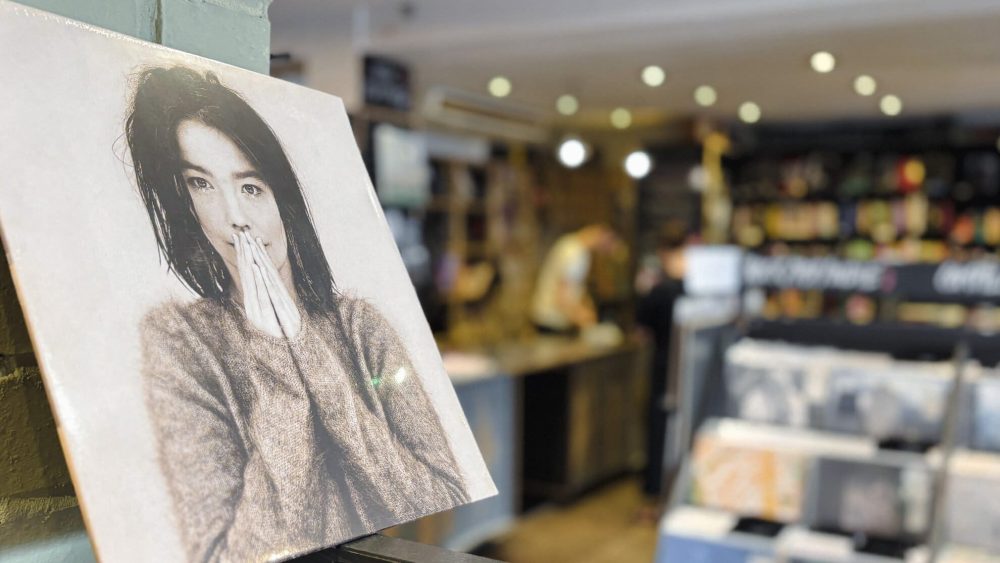
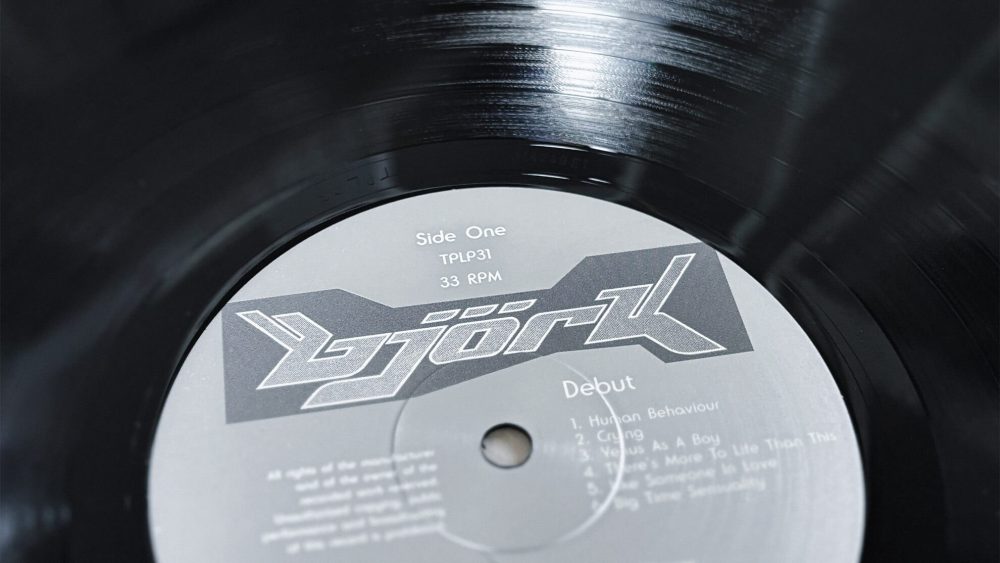
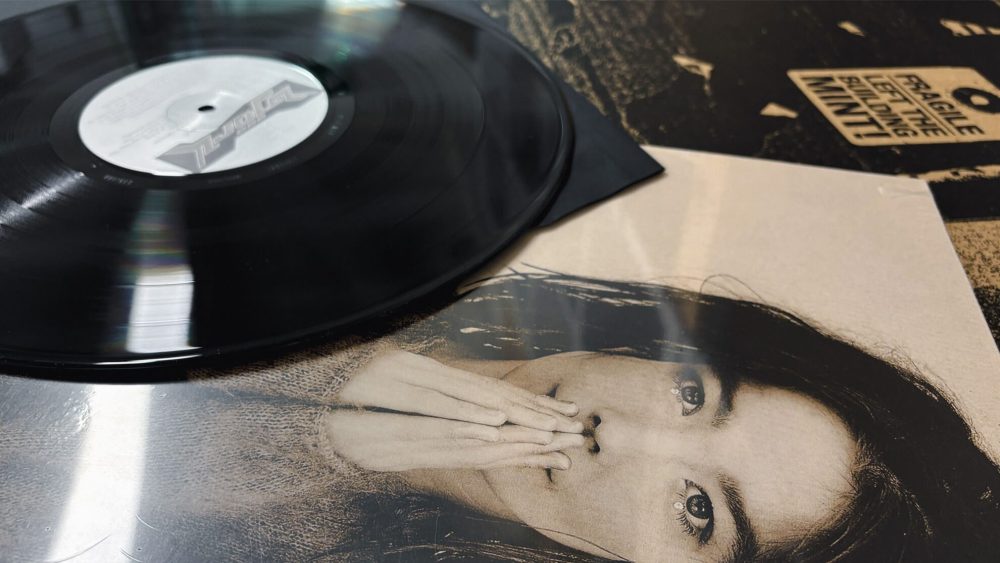
Originally released on 5th July 1993, Björk Guðmundsdóttir’s debut album, Debut, under the mononym Björk, was the product of 15 years of musical evolution. Her debut album, actually titled Björk and released in her native Iceland when she was just eleven years old, was followed by spending much of the next decade immersed in Reykjavík's punk and alt music scene, performing with the bands Tappi Tíkarrass and KUKL before finding worldwide success with The Sugarcubes. After moving to London in the early nineteen nineties, she immersed herself in the progressive electronic music scene, and rather than continuing the guitar-led approach of The Sugarcubes, she collaborated with producer Nellee Hooper to find pioneering new space in jazz, pop and, most importantly, the city's thriving club culture.
Although Debut arrived during a period when dance music was becoming increasingly adventurous, it was still a significant outlier, incorporating orchestral arrangements, intrepid sound design and all of it wrapped around her voice. And man, what a voice! Although she had literally been heard before (The Sugarcubes 1987 hit single ‘Birthday’ had gone pre-internet stratospheric, selected as number one in John Peel's Festive Fifty amongst many other accolades), Debut fully reflected her own musical vision. Björk was heavily involved in arranging and producing, regarding the album as the first time listeners could hear "her" musical personality rather than simply her voice. Sessions featured contributions from a wide range of musicians, including harpist Corky Hale, tabla player Talvin Singh and electronic programmer Marius de Vries.
Debut is often remembered as an album of huge singles (Human Behaviour, Venus as a Boy and Big Time Sensuality), but its allure is more the way in which they sit beautifully amongst one another as an album of contrasting moods. The album's centrepoint is such a lush example of this. There’s More to Life Than This (Live at the Milk Bar Toilets) is a literal club trip, fading out into the fragile harp and voice-led soother Like Someone In Love, before the album hits full pounding force with the iconic Big Time Sensuality. Her skill and willingness to combine intimate songwriting with adventurous production really has few comparisons, then or since. Björk’s foresight to create such striking video support for her work also made her positively omnipresent on screen, landing in that sweet spot of hyper-MTV awareness and pre-YouTube saturation. She also worked in partnership with pretty much every era-defining director; Michel Gondry, Sophie Muller, Jean-Baptiste Mondino and Stéphane Sednaoui, with later collaborations to include John Kricfalusi, Chris Cunningham, Alexander McQueen and Spike Jonze.
Björk later explained that she called the album Debut because it represented the first record that genuinely sounded like her. That's what really resonated, the sincerity of voice and her ability to weave influences, styles and parts of herself into something so coherent and so full of life.
It was a critical triumph, a huge commercial success all around the world, and also an album of massive influence and cultural significance. But more than any of that, over thirty years later it still sounds so vital. An extraordinary opening statement for a solo career that has never stopped evolving. Give your Sunday something soothing and plenty of rushes of blood… a classic!
There was an error displaying the form. Please try disabling your ad-blocker.


