Sunday Classic03.07.2026


Sunday Classic03.07.2026

Originally released: 25th January 2000
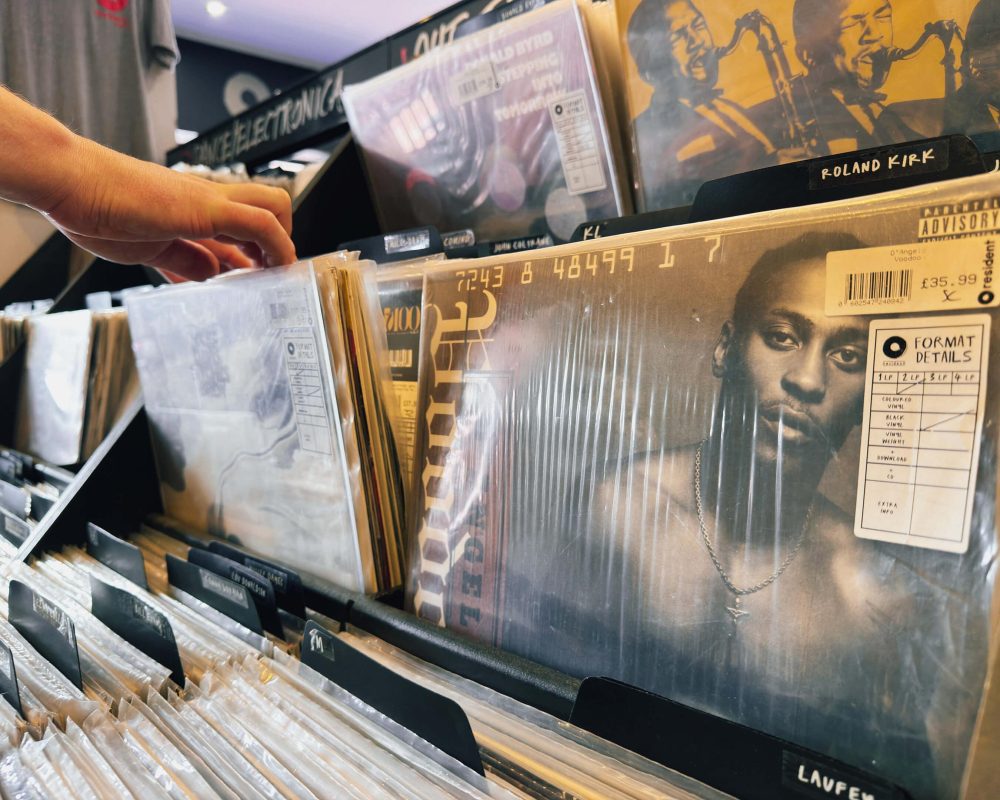
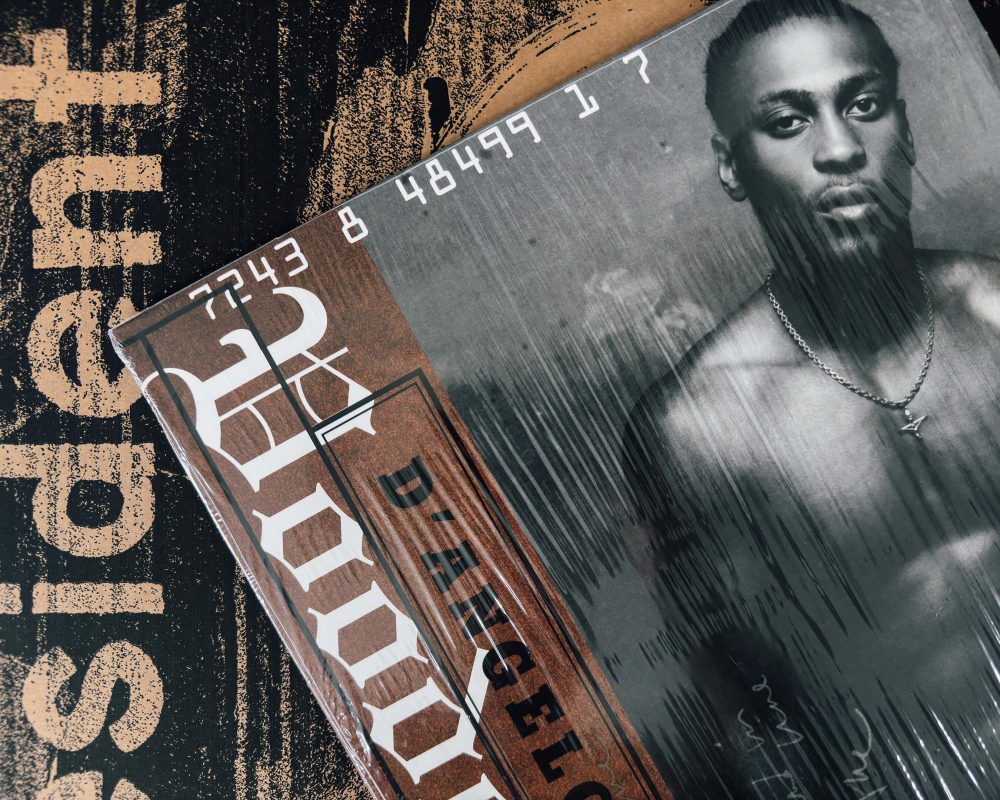
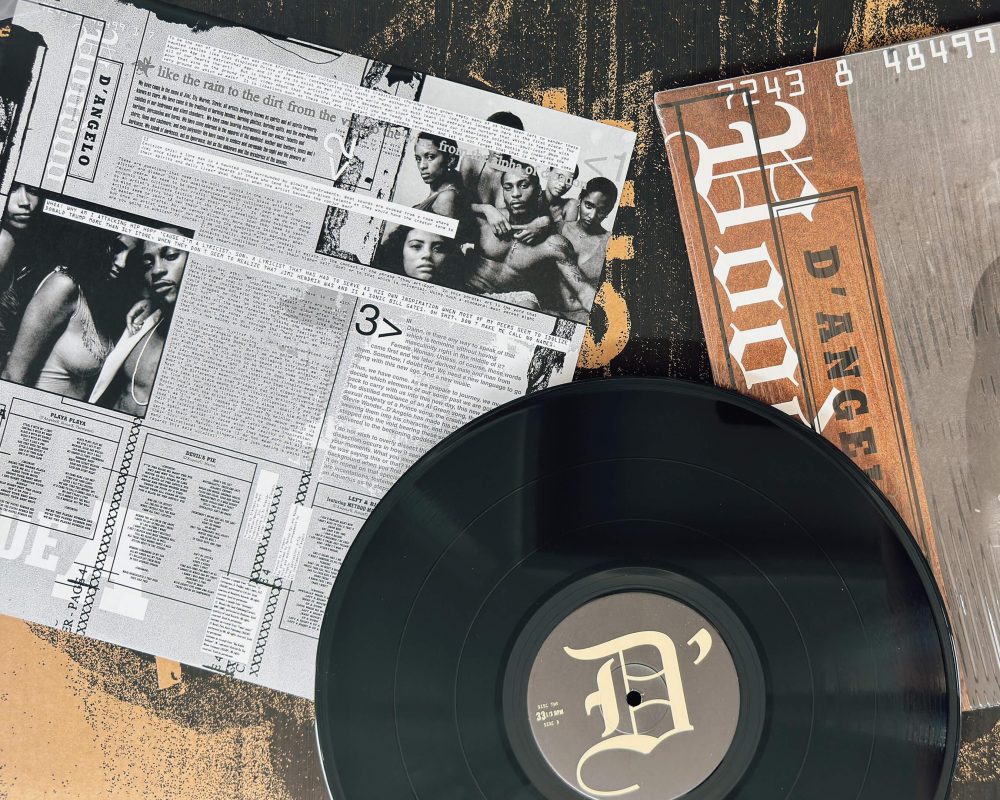
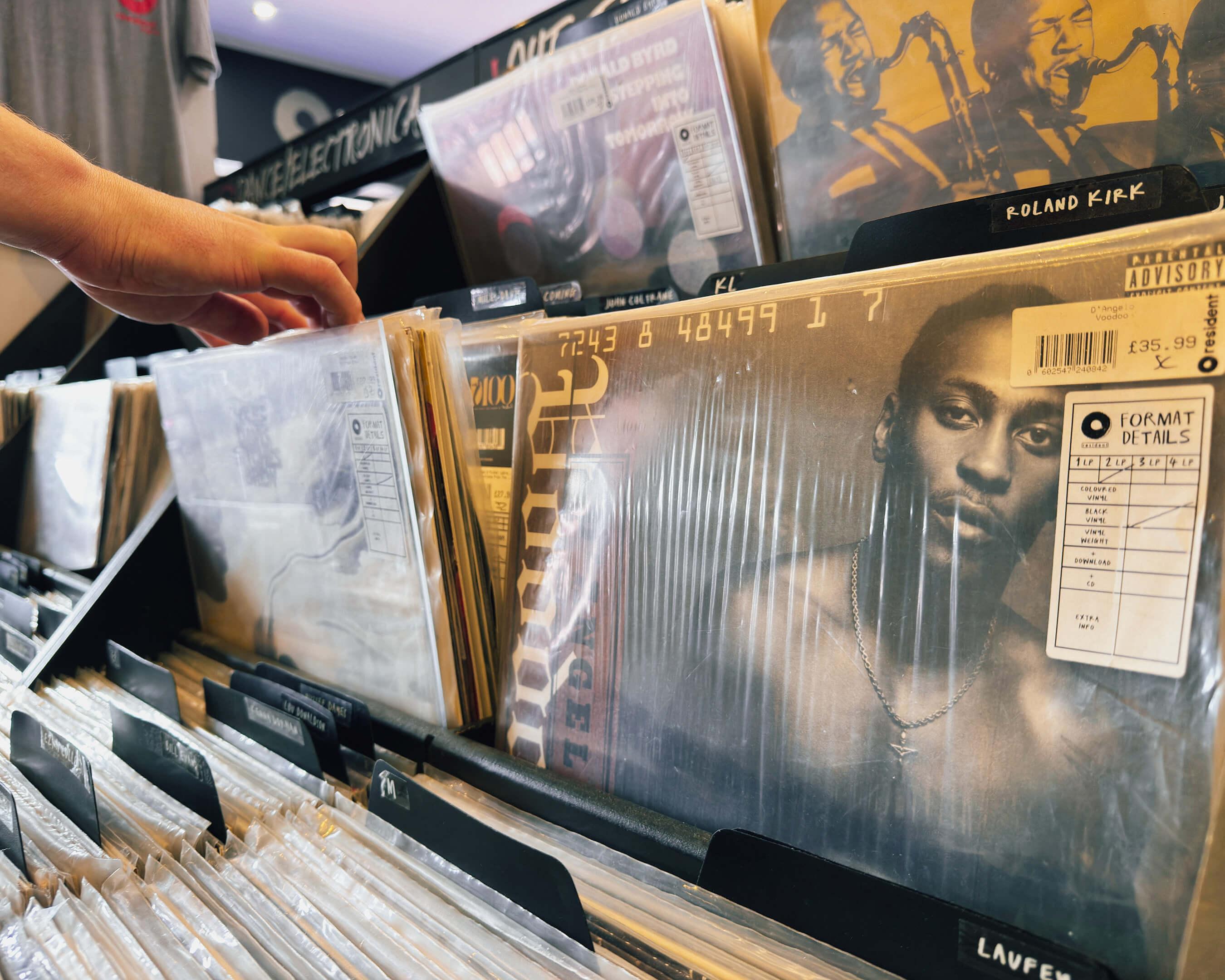
Originally released at the end of January 2000 (just after the Y2K bug didn’t happen, if you remember that trip), Voodoo is the second album from soul vanguard D'Angelo.
Voodoo followed his acclaimed debut, Brown Sugar, itself a superb album and one that played a huge part in redefining soul music at the time. After a five year-hiatus, D'Angelo remained one of contemporary R&B's most distinctive voices, but the creative experimentation that had nurtured Voodoo really was a remarkable progression, deeply rooted in jazz, funk and a more classic soul sound. Much of the album was developed through extended live sessions rather than conventional songwriting, with New York’s iconic Electric Lady Studios becoming a hub for the developing ‘Soulquarians’ creative community. A rotating cast of musicians, including Common, Erykah Badu and The Roots, collaborated in developing the album’s sonic identity.
Rather than arriving with fully written arrangements, D’Angelo frequently introduced only fragments - a bass line, chord sequence or rhythmic idea - from which the group would collectively build the song as long, free-flowing jams. The alchemy is so central to Voodoo's energy and its timeless quality. Celebrated bassist Pino Palladino gives everything such a swing with his loose delivery. Similarly, Questlove's drumming is at such a gorgeous stagger throughout, the groove they created is totally elastic. Rather than sounding imprecise, the results feel deeply human, always sat just behind the beat, creating a hypnotic sense of movement.
Another crucial influence on the album was Jay Dee (later to break out solo as J Dilla), who has been credited as bringing out the album's dirty sound, with D'Angelo and Questlove incorporating much of the Detroit hip hop producer’s distinctive percussive rhythms. Dilla was not officially credited for production, although he contributed significantly to Voodoo's overall sound. Alongside D’Angelo, producer Russell Elevado was tasked to recreate the warmth and imperfections of classic 1970s recordings, and the album shares more in common with Marvin Gaye, (early) Prince, Sly Stone or Curtis Mayfield than it does with its neo-soul contemporaries.
For all its collaborative spirit and free flow, Voodoo is also about the direction of D’Angelo and his amazing voice. Born Michael Eugene Archer in Richmond, Virginia, D'Angelo grew up immersed in gospel music through his Pentecostal family, and the control he has over his voice is astonishing. His tone is beautiful, but Voodoo's strength is more how he layered intricate harmonies, never pushing too hard and singing more often in an understated, conversational register. He was also an accomplished musician (playing many of the album’s keyboard and guitar parts himself), weaving his vocals directly into the rhythm section rather than floating above it.
Although Voodoo became critically acclaimed almost immediately, the enormous attention generated by the ‘Untitled (How Does It Feel)’ video transformed D'Angelo into a reluctant international sex symbol, overshadowing much of the musical conversation at the time. He later reflected that this public image contributed significantly to his long withdrawal from recording and touring before eventually returning with his third and final album, Black Messiah in 2014.
More than two decades after its release, Voodoo remains one of the defining records of contemporary Black American music. It’s an album of supreme feeling, subtle innovation, collaborative energy and all under the control of a mercurial talent in D’Angelo. Few records have proven as influential while remaining so singular.


There was an error displaying the form. Please try disabling your ad-blocker.